 By John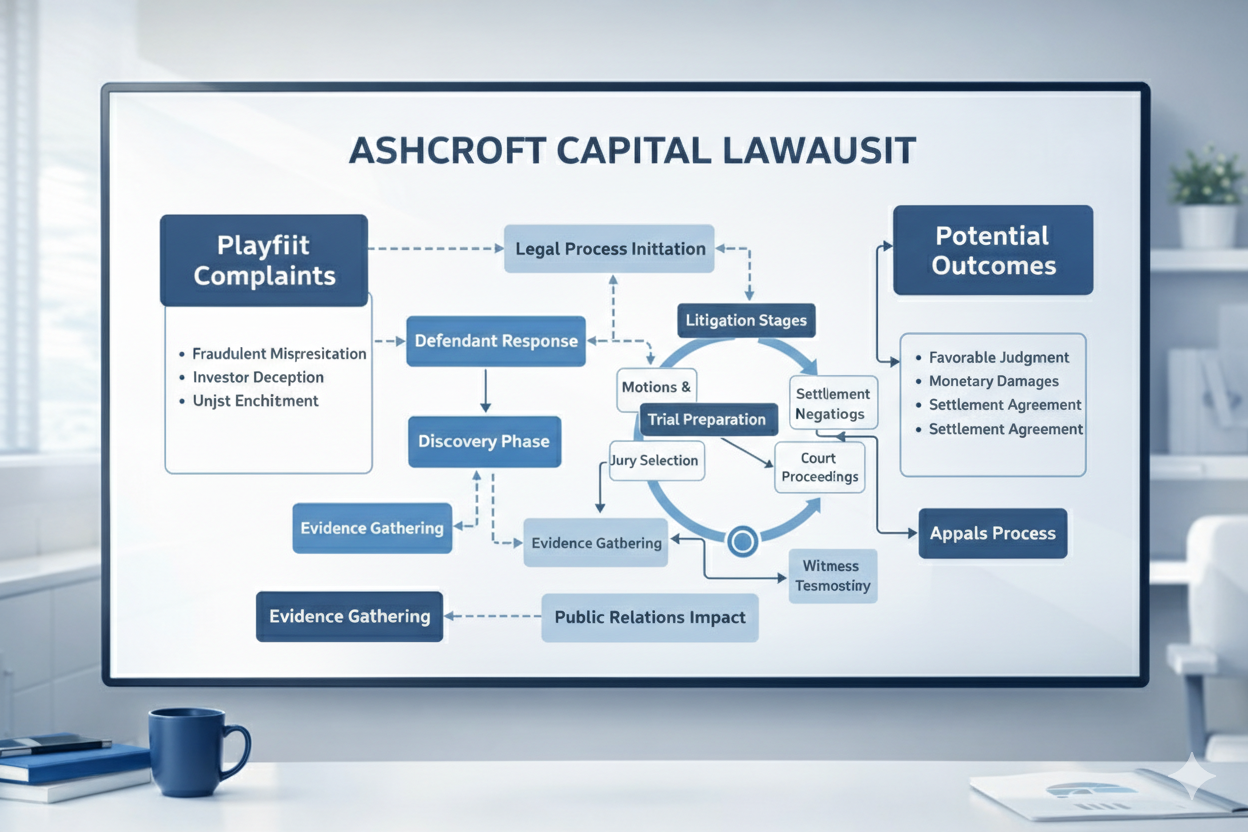
When investors commit millions to real estate ventures, they expect honest communication and promised returns. The Ashcroft Capital lawsuit, filed February 12, 2025, in U.S. District Court of New Jersey, has shaken investor confidence in real estate syndication. The case, Cautero v. Ashcroft Legacy Funds, involves 12 accredited investors claiming over $18 million in damages due to alleged misrepresentation of returns and incomplete risk disclosures.
Have you read our previously published blog- Rebeca Mingura Credit One lawsuit
Background: Who Is Ashcroft Capital?
Ashcroft Capital, founded in 2015 by Joe Fairless and Frank Roessler, is a Texas-based real estate firm specializing in multifamily apartment acquisitions in growth markets (Texas, Georgia, Florida). By the early 2020s, the company managed over $2 billion in assets. Joe Fairless became known for his “Best Real Estate Investing Advice Ever” podcast, which helped attract thousands of passive investors. However, rising interest rates in 2022-2023 began straining leveraged real estate deals, and tensions emerged between the company and its investors.
The Core Allegations
The lawsuit centers on four main claims:
Inflated Return Projections: Plaintiffs claim Ashcroft overstated projected internal rates of return (IRR) by 4-6 percentage points. A deal projected to return 18% annually might deliver only 12-14%. Some investments that promised double-digit returns instead produced negative or breakeven cash flows.
Incomplete Risk Disclosures: Investors claim critical risks were downplayed or omitted, including rising interest rates, increasing operating costs, market volatility, renovation delays, and occupancy challenges. Important information was either absent or buried in fine print.
Breach of Fiduciary Duty: Plaintiffs allege Ashcroft prioritized its own fees and financial survival over investor protection, violating its obligation to act in investors’ best interests.
Poor Communication: Investors report delayed or unexplained pauses in distributions, unexpected capital calls (requests for additional funds), and insufficient explanations for underperformance.
Timeline of Events
| Period | Key Events |
|---|---|
| 2015-2021 | Rapid growth with favorable market conditions. Distributions flow as projected. Company grows to $2 billion in assets. |
| 2022-2023 | Federal Reserve raises interest rates aggressively. Multifamily refinancing becomes expensive. Operating costs rise. October 2023: Ashcroft pauses distributions. Investor complaints appear on Reddit and BiggerPockets. |
| April 2024 | Ashcroft issues capital calls requesting 15-20% additional investor contributions. Investor frustration escalates significantly. |
| February 12, 2025 | 12 accredited investors file lawsuit alleging misrepresentation, incomplete disclosures, and breach of duty. Claimed damages exceed $18 million. |
| March 2025 | Ashcroft denies all allegations via press release. CEO emphasizes company track record and commitment to transparency. |
| April-July 2025 | Both sides engage in litigation motions. Case enters discovery phase where documents and communications are exchanged. |
| July-August 2025 | Former Ashcroft employee files affidavit stating internal team had “serious doubts about underwriting assumptions.” Court compels production of internal IRR models. Plaintiffs add Ashcroft Property Management LLC as co-defendant. |
| September 2025 | Mediation pre-conference scheduled, suggesting settlement discussions may be explored. |
| January-February 2026 | Case remains in discovery phase. No settlement announced. No trial date set. |
Ashcroft Capital’s Response
Ashcroft Capital has strongly denied all allegations, arguing that:
- IRR projections were clearly labeled as estimates, not guaranteed returns
- All offering documents complied with SEC regulations
- Poor performance resulted from market conditions beyond management control (rising rates, increased costs)
- The company has improved investor communication through third-party audits and revised disclosures
Industry Impact
This lawsuit carries significant implications beyond the 12 plaintiffs. The case has drawn regulatory attention to the syndication space, sparked heightened investor scrutiny, and raised questions about whether current disclosure standards are adequate. If courts find against Ashcroft, the industry may adopt stricter auditing of return projections and more rigorous risk disclosures. Sponsors operating with genuine transparency are now differentiating themselves from those overselling opportunities.
Current Status
As of February 2026, the lawsuit remains in discovery. No settlement has been announced, and no trial date is set. Potential outcomes include:
- Settlement: Both sides could reach a confidential settlement outside court, likely within 12-24 months
- Court Judgment: If the case goes to trial, the court could rule for either side
- Dismissal: The court could dismiss portions of the lawsuit if plaintiffs lack sufficient legal grounds
- Timeline: Trial cases could take 3-5 years or longer with appeals
Conclusion
What This Means for Investors
The Ashcroft Capital lawsuit is a pivotal moment for real estate syndication. Whether it succeeds, settles, or is dismissed, it underscores critical lessons. The allegations—that a well-known firm misrepresented returns and failed to adequately disclose risks—demonstrate that strong media presence and educational reputation don’t guarantee ethical behavior.
For investors, this case emphasizes the necessity of thorough due diligence, careful document review, and ongoing investment monitoring. Trust must be earned through demonstrated transparency and consistent performance, not through podcast popularity or media visibility. Investors must ask tough questions, demand detailed explanations, and be willing to walk away from poorly explained opportunities.
What This Means for the Industry
As this lawsuit progresses, the real estate community watches closely. The case signals that regulatory scrutiny and investor litigation will increase if transparency standards aren’t met. Sponsors operating with genuine transparency, realistic projections, and honest risk communication will differentiate themselves from those who oversell.
This case may reshape how syndication deals are structured, marketed, and disclosed. For sponsors, the message is clear: integrity and transparency are not just ethical—they’re the best defense against litigation. For the industry, this case reminds us that bigger firms and media presence don’t replace sound financial management and honest communication. The future of real estate syndication depends on prioritizing investor protection and transparency.
Disclaimer: This article is based on publicly available information and court filings as of February 2026. It is for informational purposes only and does not constitute legal or investment advice. Consult qualified professionals before making investment decisions. The case is ongoing and circumstances may change.