 By John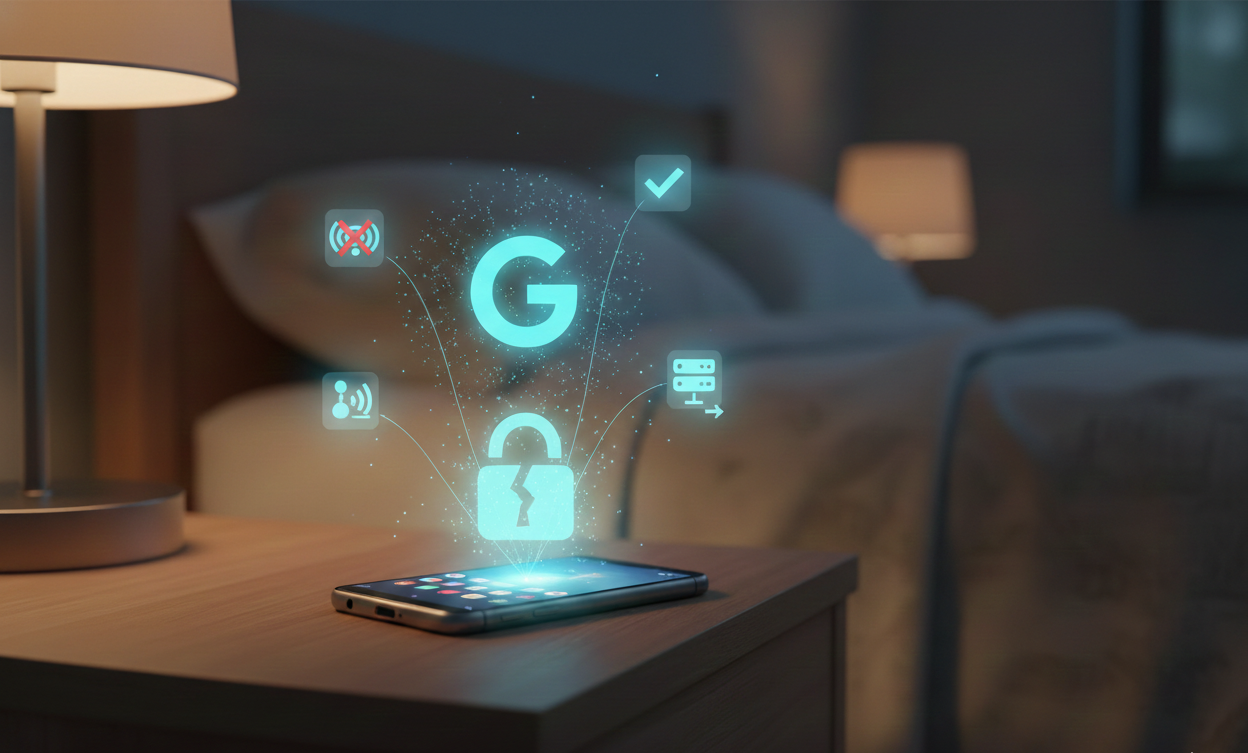
Have you ever wondered why your mobile data drops slightly even when you haven’t touched your phone all night? It turns out your Android device has been having “secret” conversations with Google, and a massive new settlement proves that those tiny background chats are a big deal.
In early 2026, Google agreed to pay $135 million to resolve the Google android cellular data lawsuit. The issue? “Passive data transfers”—invisible background communications that use the cellular data you pay for, without your clear permission.
The Mystery of the “Disappearing” Megabytes
The google android cellular data lawsuit, which covers over 100 million Android users since late 2017, focuses on a simple but frustrating technical reality. Even when your phone is sitting idle on a nightstand or tucked away in a pocket, it is constantly sending small bursts of information back to Google’s servers.
These transfers include things like:
-
System health checks and diagnostic logs.
-
Location pings that happen even when you aren’t using your phone.
-
Advertising “tokens” that help refine targeted digital ads.
Individually, these pings are tiny—often just a few kilobytes. But collectively, experts estimate they consume roughly 1 to 1.5 MB of data per day. When you multiply that by millions of users over several years, Google was effectively “free-riding” on billions of dollars worth of consumer-purchased data to subsidize its own product development and $200 billion-a-year advertising business.
Who is Responsible? (The “Why” and “How”)
When we look at who is responsible for the practices highlighted in the google android cellular data lawsuit, it is not just “Google” as a vague corporate entity; it is specific choices made in the architecture of the Android software.
1. The Operating System Architects
The responsibility lies with the teams that designed the “heartbeat” of the Android Operating System. The google android cellular data lawsuit alleged that Google intentionally coded the OS to prioritize these transfers over cellular networks rather than waiting for a Wi-Fi connection. While Google maintained that these pings are “critical for security and reliability,” the court examined evidence suggesting much of this data wasn’t urgent and could have been deferred until the user reached a home network.
2. The Designers of the “Placebo” Toggle
A significant portion of the google android cellular data lawsuit focused on the “Allow background data usage” setting. Most of us flip that switch to “Off” and assume we’ve plugged the leak. However, the lawsuit revealed that this toggle was misleading—it only restricted third-party apps, while Google’s own system services continued to flow in the background regardless of the setting.
Timeline of the Legal Battle (2017–2026)
| Date | Key Event | Significance |
| Nov 2017 | Class Period Begins | The “meter” starts running for eligible U.S. Android users. |
| Nov 2020 | Federal Suit Filed | The google android cellular data lawsuit begins in California. |
| July 2025 | California Verdict | A separate jury awards $314.6M to California residents. |
| Jan 2026 | Federal Settlement | Google agrees to pay $135M for users in the rest of the U.S. |
| Aug 2026 | Final Hearing | Judge Virginia DeMarchi to officially approve the payout distribution. |
What Does This Mean for You? (The Payout)
If you used an Android phone with a cellular data plan in the U.S. (outside of California) between November 12, 2017, and today, you are likely part of the google android cellular data lawsuit win.
-
Automatic Payouts: Unlike most lawsuits where you have to fill out a 10-page form, this settlement is designed to be streamlined. Google will use internal records to identify eligible users and send payments automatically via PayPal, Venmo, or Zelle.
-
The Amount: Payments are currently capped at $100 per person, though the final amount depends on how many people are in the final pool after legal fees are deducted.
-
The Changes: Most importantly, the settlement forces Google to change how Android works. In the future, you will see a clear “consent screen” during phone setup asking for express permission to use your data for these background tasks.
The Theory of “Digital Conversion”
One of the reasons the google android cellular data lawsuit was so successful is that the lawyers didn’t just talk about “privacy.” They talked about “conversion”—a legal term for taking someone else’s property (your data allowance) and using it for their own gain.
By framing your mobile data plan as a tangible resource—like electricity or water—the plaintiffs successfully argued that Google was “unlawfully appropriating” something you paid for. This shift from “privacy” to “property” is why experts believe the google android cellular data lawsuit sets a massive precedent for future tech litigation.
The Strategic Importance of Passive Data
In the context of the google android cellular data lawsuit, “passive data” refers to information shared without active user engagement. Google’s business model depends on a constant stream of information to maintain ad relevance. By siphoning this data via cellular networks, Google ensured its servers were updated in real-time, even if it cost the user money on their data bill. This practice, central to the google android cellular data lawsuit, is what judges eventually deemed deceptive.
How to Check Your Eligibility
If you suspect you are part of the google android cellular data lawsuit class, you should look for emails from the “Settlement Administrator.” Because the payouts are designed to be automatic, your main task is ensuring your Google account is linked to a valid payment method like Venmo or PayPal. If you moved or changed your email since 2017, you may need to visit the official settlement website to update your contact information.
Conclusion: A Win for Consumer Property Rights
The google android cellular data lawsuit is a reminder that in the digital age, our data is our property. By treating a mobile data plan like a utility that shouldn’t be “free-ridden” by a trillion-dollar company, the courts have sent a clear message: transparency isn’t optional, and background pings have a price.
As we move through 2026, your Android phone is finally going to be a little more honest about what it’s doing when you aren’t looking. The google android cellular data lawsuit marks a victory for every user who ever wondered where their data went.
Disclaimer: This article is for informational purposes only and does not constitute legal advice. Readers should consult qualified legal professionals for advice specific to their situations.