 By Jassi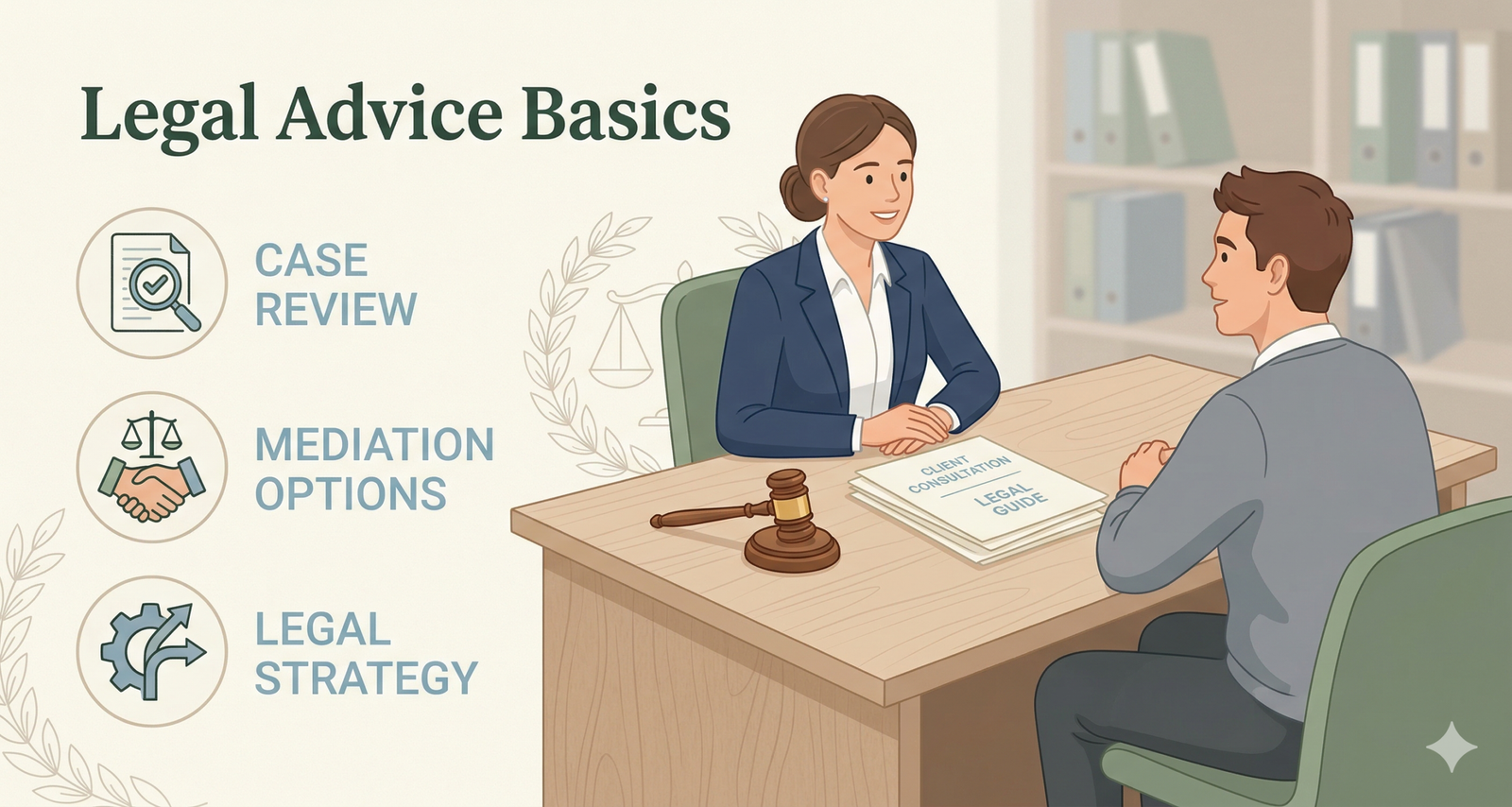
Most people only think about legal help when something has already gone wrong. A landlord refuses to return a deposit. A car accident leaves bills piling up. An employer hands over termination papers without warning. By the time the situation feels urgent, many people have no idea where to start, what to say, or even what kind of lawyer they actually need.
Understanding legal advice basics before a problem arises puts you in a much stronger position. You know what questions to ask, what your rights generally are, and how to find the right kind of help without wasting time or money. This article covers everything a general reader needs to know written in plain language, with no jargon and no legal advice given.
What Is Legal Advice and Why It Matters
Legal advice is personalized guidance provided by a licensed attorney about how the law applies to your specific situation. It is different from general legal information in one important way: legal advice takes the facts of your case into account and tells you what to do. Legal information explains the law in general terms without applying it to anyone in particular.
This distinction matters because only licensed attorneys can legally give legal advice. Reading a blog post, watching a YouTube video, or asking a friend who “knows about law stuff” gives you information not advice. Acting on that general information as though it were personalized legal guidance is one of the most common and costly mistakes people make.
“Legal advice is not the same as legal information. One applies the law to your facts. The other explains the law in general. Only a licensed attorney can give the first.”
One of the core legal advice basics to understand is attorney-client privilege. When you consult a licensed attorney, everything you share is confidential. Your lawyer cannot disclose what you tell them without your permission. This protection exists specifically so that people can be fully honest with their attorney without fear. You cannot get good legal help if you are holding back important facts.
Legal Advice vs. Legal Information: The Difference
Here is a simple way to tell them apart. If someone says “landlords in this state must return security deposits within 30 days,” that is legal information. If a licensed attorney says “based on what you have described, your landlord violated the law and you have a strong claim for the full deposit plus damages,” that is legal advice.
Websites, this article included, can only give you legal information. They can explain how the legal system works, what types of lawyers handle what issues, and what to expect in a consultation. They cannot tell you what to do about your specific situation. That requires a real conversation with a licensed attorney who knows your complete set of facts.
Keeping this distinction in mind protects you from a real and common trap: reading general information online, concluding it applies to your situation, and taking action based on that assumption without ever speaking to an attorney.
When Do You Actually Need a Lawyer?
Not every legal question requires hiring an attorney. Some matters small claims disputes under a few thousand dollars, simple landlord letters, or basic information requests can often be handled with a combination of public legal resources and careful self-preparation. But there are clear situations where getting a lawyer involved early is the right move.
- Criminal charges: Any situation where you could face jail time, fines, or a criminal record warrants immediate legal representation. Do not wait.
- Serious injuries: If you have been injured and another party may be responsible, an attorney can help you understand your options before you say or sign anything.
- Divorce and custody: Family law matters affect children, finances, and long-term living arrangements. Even uncontested divorces benefit from legal review.
- Employment issues: Wrongful termination, workplace discrimination, wage theft, or non-compete agreements all involve legal rights that most employees do not fully understand.
- Contracts over significant amounts: Before signing any contract involving your home, business, or large financial obligations, having an attorney review it is worth the cost.
- Estate planning: Wills, trusts, and powers of attorney should be drafted by a licensed attorney to ensure they are valid in your state.
Quick rule of thumb: If the potential cost of getting it wrong financially, professionally, or personally is greater than the cost of a consultation, talk to a lawyer first.
How to Find the Right Legal Help
Finding a good attorney starts with identifying what kind of legal issue you have. Law is highly specialized. A family law attorney handles divorces and custody matters. A personal injury attorney handles accidents and negligence claims. An estate planning attorney drafts wills and trusts. Hiring a general practitioner for a complex criminal case, or a criminal defense attorney for a business contract dispute, is rarely the right approach.
Once you know the category, here are the most reliable ways to find qualified help.
- State bar association referral services: Every state bar association operates a lawyer referral program. These programs connect people with licensed attorneys in the relevant practice area. Many offer free or low-cost initial consultations.
- Legal aid organizations: If cost is a concern, legal aid offices provide free civil legal help to people who meet income eligibility requirements. They handle landlord-tenant disputes, family law, benefits issues, and more.
- Law school clinics: Accredited law schools operate free clinics supervised by licensed attorneys. These clinics cover a range of practice areas and can provide meaningful help.
- Online directories: Platforms like Avvo and Martindale-Hubbell allow you to search for attorneys by location and practice area, with ratings from both clients and peers.
What to Expect in Your First Consultation
Many attorneys offer a free or low-cost initial consultation typically 30 minutes to an hour. This meeting is your chance to explain your situation, ask questions, and decide whether this attorney is the right fit. It is also the attorney’s chance to assess whether they can help you and whether they want to take the case.
Come prepared. Bring any documents relevant to your situation contracts, correspondence, photos, records, or anything else connected to the matter. Write down a clear timeline of events before you arrive so you can give a concise summary without missing important details. The more organized you are, the more useful the consultation will be.
Questions worth asking: What experience do you have with cases like mine? What are my realistic options? How do you charge — hourly, flat fee, or contingency? What happens next if I hire you?
On fees: attorneys typically charge in three ways. Hourly rates (commonly $250 to $500 per hour depending on location and specialty), flat fees for defined tasks like drafting a will ($500 to $1,500 is typical), or contingency fees for certain cases like personal injury (usually 33% to 40% of any recovery, with no upfront payment). Always ask for the fee structure in writing before agreeing to anything.
Common Legal Mistakes People Make
Even with the best intentions, people regularly make decisions around legal issues that cost them significantly. These are the most frequent ones.
Waiting too long. Most legal claims have a statute of limitations a deadline by which you must file or lose your right to do so entirely. These deadlines vary by state and by type of claim. Missing them usually means your case is over before it begins.
Talking too much before consulting a lawyer. What you say to an insurance adjuster, an employer, or law enforcement before speaking with an attorney can seriously limit your options later. A core piece of legal advice basics is this: be polite, be cooperative where required, but do not give detailed statements about a disputed situation before consulting an attorney.
Signing documents without reading them. Contracts, settlement agreements, and release forms are legally binding. Signing something without understanding it — or without having an attorney review it if the stakes are high is one of the most avoidable legal mistakes there is.
Relying on internet research as though it were legal advice. Understanding your general situation through research is smart preparation. Acting on that research as a substitute for actual legal counsel is not. Laws vary significantly by state and by the specific facts of each case.
Conclusion
Understanding legal advice basics does not require a law degree. It requires knowing the difference between information and actual advice, recognizing the situations where professional help is worth getting early, and approaching any legal matter with the same seriousness you would give to a significant health decision.
The legal system can feel intimidating from the outside. But the fundamentals are accessible to anyone willing to take a little time to understand them. You do not need to know how to argue a case in court. You need to know when to pick up the phone and call someone who does.
The one thing virtually every attorney and legal resource agrees on: the earlier you seek proper legal advice basics guidance, the more options you have. Problems that are expensive and difficult to solve at the lawsuit stage are often manageable sometimes even preventable at the early consultation stage. That is the most practical takeaway of all.