 By Jassi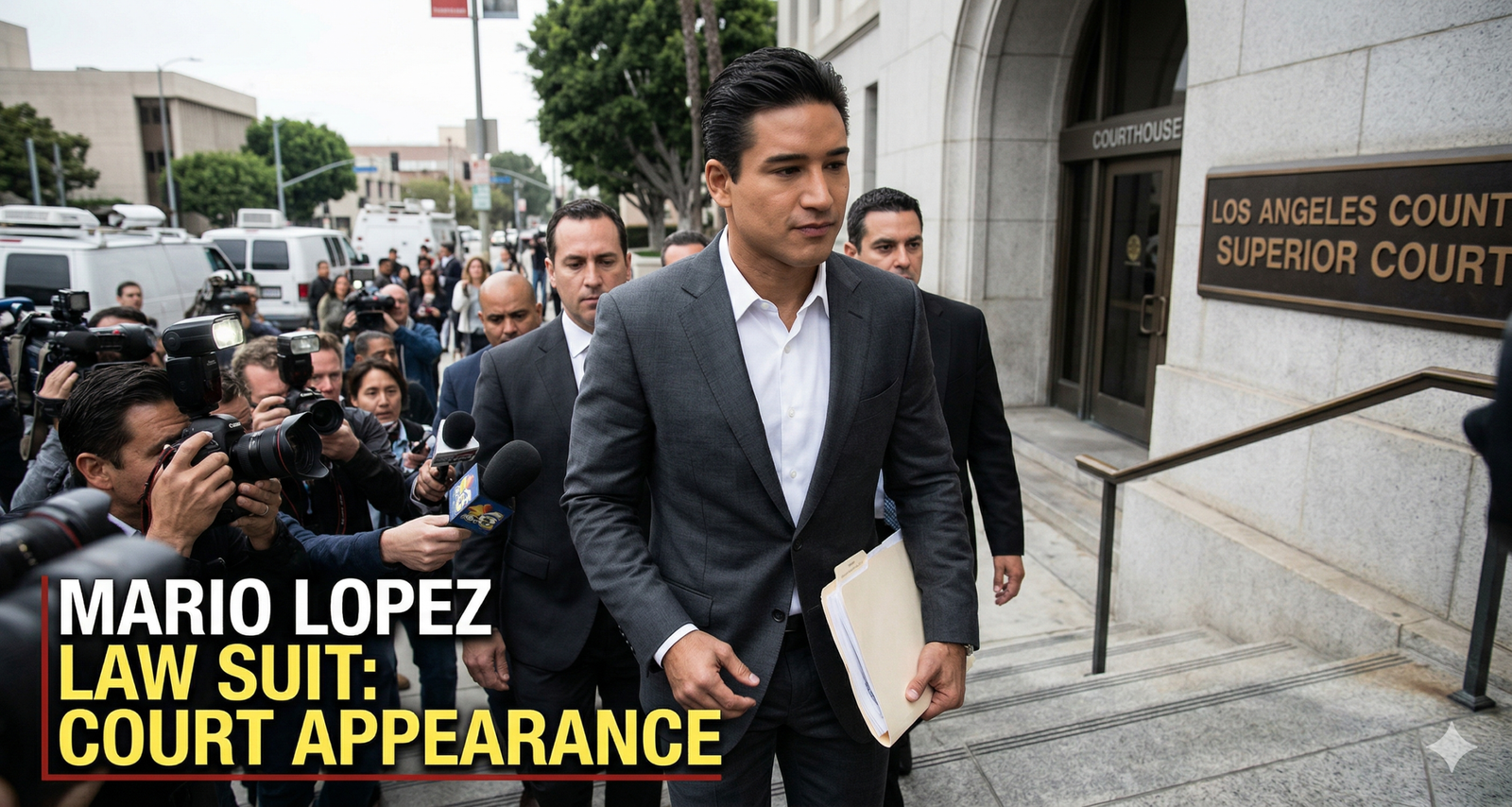
A single Instagram caption. Two sarcastic hashtags. And one courtroom battle that shook Hollywood for over a year.
Mario lopez lawsuit filed by former NFL cheerleader Desiree Townsend became one of the most talked-about celebrity legal stories of 2025. The case had everything a viral serving video, an explosive courtroom hearing, a restraining order, and a final ruling that carries serious implications for free speech on social media.
This article covers every verified detail: who filed the case, why it was filed, what happened inside the courtroom, and what the judge ultimately decided.
Who Is Desiree Townsend?
The “Flu Shot Cheerleader” Story
To fully understand this case, you need to go back to 2009. Desiree Townsend was a former NFL cheerleader for the Washington Commanders. She appeared in a nationally televised news clip claiming that a seasonal flu shot had caused her to develop a rare neurological disorder called dystonia a condition that triggers involuntary muscle contractions, slurred speech, and erratic body movements.
The clip went viral almost instantly. Viewers noticed that she appeared to behave very erratically during the interview but seemed completely normal just weeks later. This led millions of people online to accuse her of faking the entire condition. She was labeled the “Flu Shot Cheerleader” and became a subject of widespread mockery and online harassment for years.
Years later, Townsend disclosed that she had actually developed Stiff-Person Syndrome the same rare autoimmune condition that has affected global music icon Celine Dion. She clarified that the condition was genetic and had absolutely no connection to any vaccine. Despite this public clarification, the harassment never fully went away.
What Triggered the Mario Lopez Lawsuit?
The Instagram Post That Sparked Outrage
On June 19, 2024, Mario Lopez the well-known host of Access Hollywood reposted that old Inside Edition clip of Townsend on his personal Instagram account. He captioned the post with: “There’s gotta be some kind of award for this performance… #MethodActor #OscarWorthy.”
The message was impossible to misread. Lopez was publicly implying that Townsend had staged a serious neurological illness for attention and sympathy. The post immediately reignited a massive wave of online harassment against her.
Townsend saw the post and responded publicly in the comments section. She stated that she had considered taking her own life multiple times due to years of relentless online harassment over her rare medical condition. She directly called out Lopez and promised to file a defamation lawsuit against him and his employers at Access Hollywood.
According to court documents, Lopez posted the video to boost his Instagram engagement after a promotional post for a Mott’s apple sauce endorsement failed to generate his usual level of interaction. Despite repeated requests from Townsend to remove the post, Lopez refused every single time.
How the Viral Serving Video Blew Up
Townsend officially filed the lawsuit on June 13, 2025. Two days later, on Father’s Day, June 15, she served the legal papers to Lopez — and she filmed the entire thing.
Instead of sending a process server alone, Townsend personally accompanied them to Lopez’s home. In the now-famous video, Lopez is seen walking away as the legal documents are delivered at his gate. Townsend is heard on camera saying: “You’ve been served, Mario. The lawsuit is right there. See you in court, Mario. Oh hey Happy Father’s Day.”
The clip exploded across TikTok within hours, racking up millions of views and turning the legal dispute into a full-blown pop culture moment overnight.
Inside the Mario Lopez Defamation Lawsuit
Key Legal Claims Made by Townsend
Mario lopez defamation lawsuit laid out a detailed picture of the harm Townsend claimed to have suffered. In her court complaint, she accused Lopez of making a false statement that caused severe damage to her personal and professional reputation. She further alleged that his post directly triggered reputational harm, significant emotional distress, and a fresh wave of targeted online harassment.
Townsend described Lopez’s conduct as deeply dehumanizing toward a woman living with a serious rare neurological disability. She argued that Lopez had deliberately weaponized her story for his own social media gain, knowing full well that the post would invite public ridicule toward her.
She stated in her filing that filing the defamation lawsuit was her only remaining option after Lopez repeatedly ignored her requests to remove the post.
Other Defendants Named in the Case
Mario lopez defamation lawsuit extended beyond Lopez himself. Townsend also named NBC, Inside Edition, CBS Broadcasting, and Paramount Global as defendants in the case. She sought a combined total of $150 million in damages across all defendants.
Her complaint accused the media defendants of defamatory coverage that dated back to their original 2010 broadcast of the flu shot story. Townsend publicly announced that she planned to donate a significant portion of any winnings to Women In Media, a Los Angeles-based charitable organization.
Lopez Responds — The Restraining Order
Lopez did not stay silent. He fought back with his own legal action. In court documents filed on his behalf, Lopez argued that Townsend arriving at his home on Father’s Day with a camera crew caused serious fear and distress for his young children and family members who were present at the time.
He further alleged that her decision to post the serving video on TikTok publicly exposed his home address to millions of viewers, placing his family at real and immediate risk of harassment, physical threats, and unwanted intrusions.
The court sided with Lopez on this matter. A judge extended a restraining order barring Townsend from coming within 100 yards of Lopez and his family until February 2027.
The courtroom hearings themselves were reportedly intense. According to Townsend, Lopez became extremely agitated during his testimony, raising his voice to the point where the presiding judge had to intervene and calm him down. She claimed he used words like “crazy,” “unhinged,” and “stalker” to describe her while on the stand. Lopez’s legal team did not publicly confirm or deny these specific claims.
Townsend strongly disagreed with the restraining order ruling. She publicly accused the judge of bias and announced her intention to file a formal appeal.
Court Ruling — How the Judge Decided
The September 2025 Verdict
Mario lopez lawsuit reached its final conclusion in late September 2025. Lopez’s legal team filed an anti-SLAPP motion a legal tool available under California law that allows a judge to swiftly dismiss lawsuits filed against individuals for statements made on matters of public interest.
The judge granted Lopez’s anti-SLAPP motion in full. All defamation claims brought against Lopez were completely dismissed. Additionally, the court ordered Townsend to cover Lopez’s legal fees a significant financial blow on top of the case dismissal.
Lopez’s legal representative from the firm Geragos & Geragos released a public statement confirming that the court had ruled Lopez’s Instagram post reposting a 2010 Inside Edition video with a personal caption was protected free speech on a matter of public interest. The post was classified as a non-actionable opinion, not a statement of defamatory fact.
Broader Implications for Celebrity Social Media Conduct
Mario lopez lawsuit is now widely referenced as a landmark case in California celebrity defamation law. It raises several important points for public figures and everyday users alike.
Opinion vs. Fact Is the Key Legal Line
California courts draw a clear legal distinction between a verifiable false statement of fact and a subjective expression of opinion. Sarcastic hashtags like #MethodActor were treated by the court as obvious personal commentary not provable factual claims. This distinction is critical in any defamation case.
Anti-SLAPP Is a Strong Legal Shield in California
California’s anti-SLAPP law was specifically designed to protect individuals and public figures from being silenced through costly litigation. Any person seeking to sue a public figure over social media commentary in California must first clear this legal standard and it is an extremely high bar to meet.
Filming a Legal Serving Can Backfire
Townsend’s decision to film and publicly post the serving video, while attention-grabbing, ultimately became a significant part of Lopez’s successful restraining order argument. Publicly broadcasting someone’s home address even during a legitimate legal process carries serious legal risk.
Moral Wrong and Legal Wrong Are Not Always the Same
Perhaps the most important takeaway from this case is this: something can be morally questionable and legally protected at the very same time. Lopez’s post contributed to real harassment of a woman with a documented disability. Yet the court found it did not legally constitute defamation. That distinction is at the heart of free speech law.
Conclusion
Mario lopez lawsuit started with a mocking Instagram post and ended in a full courtroom battle. Desiree Townsend filed a $25 million mario lopez defamation lawsuit against Lopez in 2025, but an LA Superior Court judge dismissed all claims under California’s anti-SLAPP law, ruling Lopez’s post was protected free speech. Townsend was also ordered to pay his legal fees. The case is a clear reminder that social media opinions even harmful ones do not always qualify as defamation under the law.