 By John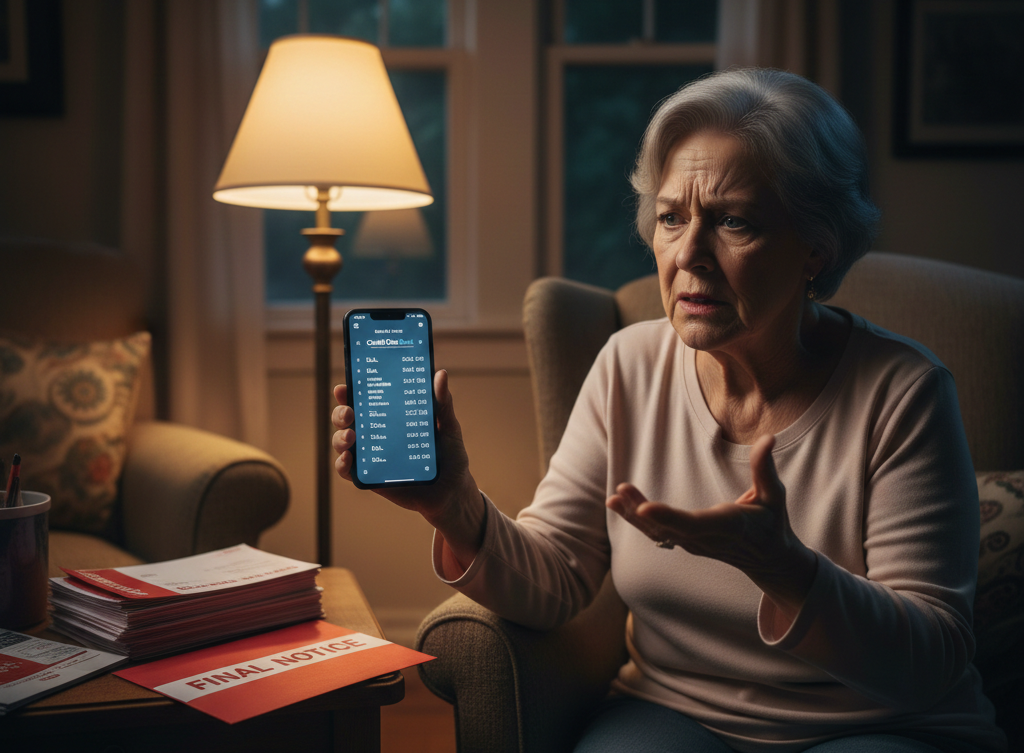
For many consumers, dealing with debt collectors is a stressful experience. However, a lawsuit filed in the Northern District of California alleges that Credit One Bank crossed the line from standard collection into systematic harassment. The Rebeca Mingura Credit One lawsuit serves as a focal point for thousands of customers who claim they have been inundated with automated calls, even after explicitly asking the bank to stop.
The Core Allegations: 578 Calls in Four Months
At the heart of the Rebeca Mingura Credit One lawsuit is a staggering statistic: Mingura alleges that between April and July 2025, Credit One Bank placed more than 578 calls to her cell phone. These calls often occurred multiple times a day, sometimes just minutes apart, making it nearly impossible for her to use her phone for personal or medical needs.
Mingura, a disabled senior citizen, informed the bank of her financial and medical hardships and revoked her consent for automated calls. Despite this, the lawsuit claims the bank continued its aggressive outreach via calls, texts, and emails. The complaint alleges that this conduct violated the Telephone Consumer Protection Act (TCPA) and California’s Rosenthal Fair Debt Collection Practices Act (RFDCPA).
Who is Responsible? (The “Why” and “How”)
When examining who is responsible for the behavior described in the Rebeca Mingura Credit One lawsuit, the focus is on the bank’s automated dialing systems and its internal collection policies.
1. Automated Dialing Systems (The “How”)
The lawsuit targets Credit One’s use of an “autodialer” or artificial/pre-recorded voices to reach consumers. Under the TCPA, companies are generally prohibited from using these automated tools to call cell phones without prior express consent. The Rebeca Mingura Credit One lawsuit argues that once Mingura revoked her consent, every subsequent automated call became a violation of federal law.
2. Corporate Collection Policies (The “Why”)
The “why” behind the relentless calling often boils down to aggressive corporate recovery targets. Plaintiffs argue that Credit One’s systems are designed to maximize contact frequency to pressure vulnerable consumers into payment. In the Rebeca Mingura Credit One lawsuit, the plaintiff alleges that targeting a disabled senior citizen with such high-frequency calling was “egregious” and caused significant emotional and physical harm.
Timeline of the Legal Battle (2025–2026)
| Date | Key Event | Current Status |
| Aug 8, 2025 | Initial Lawsuit Filed | Case 3:25-cv-06712-AMO filed in California federal court. |
| Oct 2025 | Class Action Allegations | Lawsuit expands to include other similarly situated consumers. |
| Dec 2025 | Stay of Case | Court grants a brief stay to discuss arbitration schedules. |
| Feb 6, 2026 | Motion to Compel Arbitration | Credit One moves to move the case out of public court and into private arbitration. |
| Feb 9, 2026 | Stipulation Filed | Parties agree to a schedule for briefing the arbitration motion. |
| June 4, 2026 | Scheduled Hearing | Motion hearing set before Judge Araceli Martínez-Olguín. |
What This Means for Consumers
The Rebeca Mingura Credit One lawsuit has resonated with many others who claim to have experienced similar “spoofed” numbers and late-night calls. If the case proceeds as a class action, it could seek statutory damages of $500 to $1,500 per call for thousands of eligible class members.
Currently, Credit One is attempting to force the case into arbitration. This is a common tactic used by large financial institutions to avoid a public jury trial, as most credit card agreements contain clauses requiring disputes to be handled by a private arbitrator rather than a court.
Conclusion: Protecting the Vulnerable
The Rebeca Mingura Credit One lawsuit highlights the ongoing struggle to protect vulnerable populations—specifically the elderly and disabled—from aggressive automated technology. While banks have a right to collect valid debts, federal and state laws draw a firm line at harassment.
As we look toward the crucial hearing in June 2026, the case stands as a reminder that consumers have the right to revoke consent and demand that “the ringing stops.”
Have you read our Previous Blog-https://worldlawsuit.com/google-android-cellular-data-lawsuit/